---
title: Graphic Design Services for Print, Digital & Presentations | Opulon
description: "Graphic design services for print and digital: logos, brochures, packaging, presentations, ad creative. Slovakia-based studio, fixed scope, fixed price."
image: https://opulon.org/images/og-default.jpg
---
# Graphic Design
- Last updated — July 2026
Graphic design gives a company one consistent visual voice across everything it prints, posts, and presents. Opulon provides graphic design services for print and digital, from logo design and visual identity to brochures, packaging, presentations, and ad creative, delivered at a fixed price with source files you own.
## What our graphic design services include
A logo from one freelancer, a deck from another, a trade-fair banner improvised in-house the night before the flight. Each asset works alone; together they look like five different companies. The problem is rarely talent. It is consistency, and consistency is what a studio is for. We keep the output under one hand:
- **Logo design and visual identity:** marks, wordmarks, refreshes, and the usage rules that keep them intact across a hundred applications.
- **Print design:** brochures, catalogs, business cards, and large-format graphics for trade fairs and retail, delivered print-ready with bleed and color profiles set.
- **Packaging design:** labels, boxes, and product packaging designed around production constraints, not against them.
- **Presentation design:** investor decks, sales decks, and conference slides that survive being presented by someone who didn’t design them.
- **Social media and ad creative:** post templates, campaign visuals, and display formats sized correctly for every placement.
- **Infographics and reports:** annual reports, one-pagers, and data made legible.
Companies buy graphic design services for different reasons: a rebrand that has to roll out across two hundred assets, a sales team quietly embarrassed by its deck, packaging due at the printer in three weeks. The common thread is that the material speaks for the company before anyone from the company does.
## How we work: from brief to final files
1. **Brief.** We ask what the asset must achieve, who sees it, and where it runs. A trade-fair brochure and a LinkedIn ad fail for different reasons, so they get designed for different jobs.
2. **Concept.** One or two visual directions with written rationale, built on your real content, because layouts decided on placeholder text rarely survive the real thing.
3. **Design.** The full set, built as a system with shared grids, type, and color, so the twentieth asset still matches the first.
4. **Revisions.** Feedback rounds agreed in scope upfront, so revisions sharpen the work instead of restarting it.
5. **Delivery.** Every format the job needs: print-ready PDFs with bleed and crop marks, editable source files, export packages for web and social. You own all of it.
## Logo design and visual identity systems
Branding and logo design remains the largest segment of the global graphic design market, according to SkyQuest, 2025, and it is the most frequently misbought. A logo is not a brand; it is the most visible artifact of one. Our logo design services cover new marks, refreshes that modernize without erasing recognition, and identity applied consistently across collateral. We work inside existing brand guidelines as often as we create new ones. When the job underneath is bigger (positioning, naming, voice, a complete identity system), it belongs with our [branding](https://opulon.org/services/branding) practice, and the two are built to plug into each other.
## Print design: brochures, packaging and large-format
Print didn’t die; it got selective. European print advertising spend is forecast at about **US$9.3 billion in 2025** and slowly declining, according to Statista, 2025, while the region’s digital advertising market reaches roughly US$135 billion, according to EMARKETER, 2025. What still goes to print has to justify the choice, which is exactly why it can’t look improvised.
We design brochures, catalogs, packaging, and large-format pieces for trade fairs and retail, and we prepare the production data ourselves: bleed, crop marks, color profiles, and files your printer **accepts the first time**. If you have ever had a print run rejected over missing bleed, you know why that sentence is on this page.
## Does presentation design actually pay off?
Measurably. Audiences retain about **85% of information** when words are paired with visuals, against roughly 70% for words alone, according to Visme’s presentation statistics, updated 2025. For a deck that has to sell something, fifteen percentage points of retention is not decoration.
We design investor presentations, sales decks, and conference slides, built on templates your team can extend without breaking them. The same discipline runs through campaign work: social sets and ad creative in every placement size, feeding directly into our [content production](https://opulon.org/services/content-production) work when a campaign needs copy, video, or ongoing output.
## Why do companies outsource graphic design?
Capacity first, range second. One in-house designer covers one style and forty hours a week; outsourced graphic design buys packaging expertise in March and a rebrand rollout in June, with no hiring round in between. Demand is not easing either: the global graphic design market is projected to grow from USD 69.44 billion in 2025 to **USD 128.04 billion by 2035**, according to Market Research Future, 2025.
The other reason is accountability. A marketplace sells you a designer; a studio owes you an outcome. Opulon is a Slovakia-based studio with **180+ delivered projects** for clients across the EU and internationally: small enough that senior people do the work, structured enough that deadlines hold. And when assets need to become an interface or a landing page, the work continues into [UI/UX design](https://opulon.org/services/ui-ux-design) without a second onboarding.
## What graphic design costs
Three things move the number: how many deliverables, how many formats (print adds proofing and production prep), and whether a visual identity exists or has to be built first. We quote **fixed deliverables at a fixed price** before work starts, so you know the cost before we open a design file. For continuous needs, a monthly design-support arrangement replaces per-project quoting.
The easiest way to start is a single asset you already know is underperforming. For most B2B companies, that is the sales deck. One deliverable, one fixed price, and you see how we work before committing to anything larger.
If the asset on your desk has a deadline and a job to do, [talk to us](https://opulon.org/contact). We scope it, fix the price, and answer with specifics.
## Frequently asked questions
### What are the services of a graphic designer?
A graphic designer produces the visual assets a business communicates with: logo and visual identity design, brochures and print collateral, packaging, presentations, social media graphics, ad creative, and infographics. Some designers specialize in one of these; a studio covers the set, so the assets stay consistent with each other.
### What are 7 types of graphic design?
The seven types most commonly cited are visual identity design (logos and brand systems), marketing and advertising design, publication design, packaging design, motion graphics, environmental design (signage and spaces), and web or UI design. Real projects usually combine several: a product launch can need packaging, ad creative, and a landing page at once.
### What is the 80/20 rule in graphic design?
Applied to design, the 80/20 rule says a small share of elements, usually the headline, the lead image, and the primary color, does most of a design's work. In practice it means building a clear hierarchy: decide what the viewer must see first, make that unmissable, and quiet everything else. Designs fail more often from equal emphasis everywhere than from any single bad choice.
### How much do graphic design services cost?
Price follows scope: how many deliverables, how many formats, and whether a visual identity already exists or has to be created first. A single asset such as a brochure or a sales deck is days of work; a full asset system around a rebrand is weeks. We quote fixed deliverables at a fixed price before work starts, so the number is known upfront.
### How long does a typical graphic design project take?
A single asset such as a deck, a brochure, or an ad set usually runs a few days to two weeks including revisions. Packaging and rebrand rollouts across dozens of assets take several weeks. Print adds lead time for proofing and the run itself, so give us the drop-dead date and we plan backwards from it.
### Do we own the final designs and get the source files?
Yes. Every project ends with production-ready files and the editable source files, and usage rights belong to you: no per-use licensing, no files held hostage. If your in-house team wants to adapt an asset next quarter, they can.
## Let's discuss your project
Tell us where you're headed. We'll help you get there.
[Get in Touch](https://opulon.org/contact)
## [Services](https://opulon.org/services)
- [UI/UX Design 19](https://opulon.org/services/ui-ux-design)
- [Web & App Development 17](https://opulon.org/services/web-app-development)
- [E-Commerce Development 08](https://opulon.org/services/ecommerce-development)
- [Research 03](https://opulon.org/services/research)
- [Advertising & PPC 12](https://opulon.org/services/advertising)
- [Digital Marketing 10](https://opulon.org/services/digital-marketing)
- [Social Media Marketing 07](https://opulon.org/services/social-media-marketing)
- [Branding 05](https://opulon.org/services/branding)
- [Graphic Design 05](https://opulon.org/services/graphic-design)
- [Content Production 05](https://opulon.org/services/content-production)
- [Consulting 16](https://opulon.org/services/consulting)
- [Event Planning 02](https://opulon.org/services/event-planning)
- [MVP Development 03](https://opulon.org/services/mvp-development)
- [Product Strategy & Ideation 08](https://opulon.org/services/product-strategy)
- [AI & Automation 02](https://opulon.org/services/automation)
## Featured work
[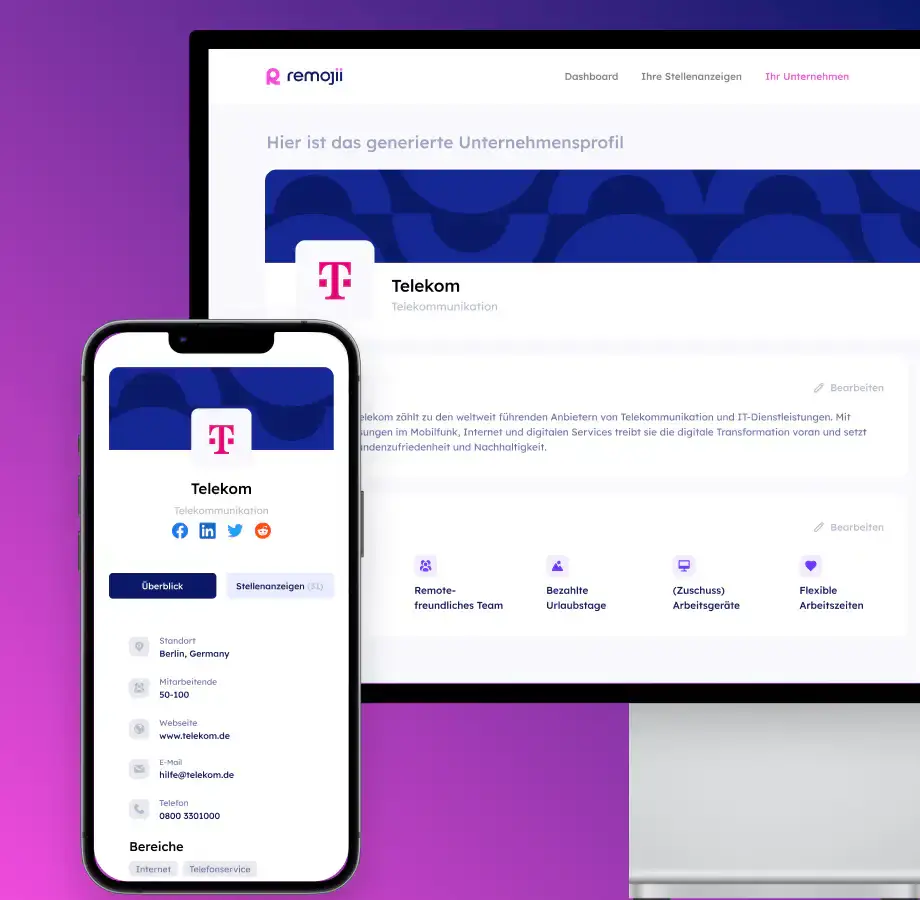Remojii.com
](https://opulon.org/work/remojii) [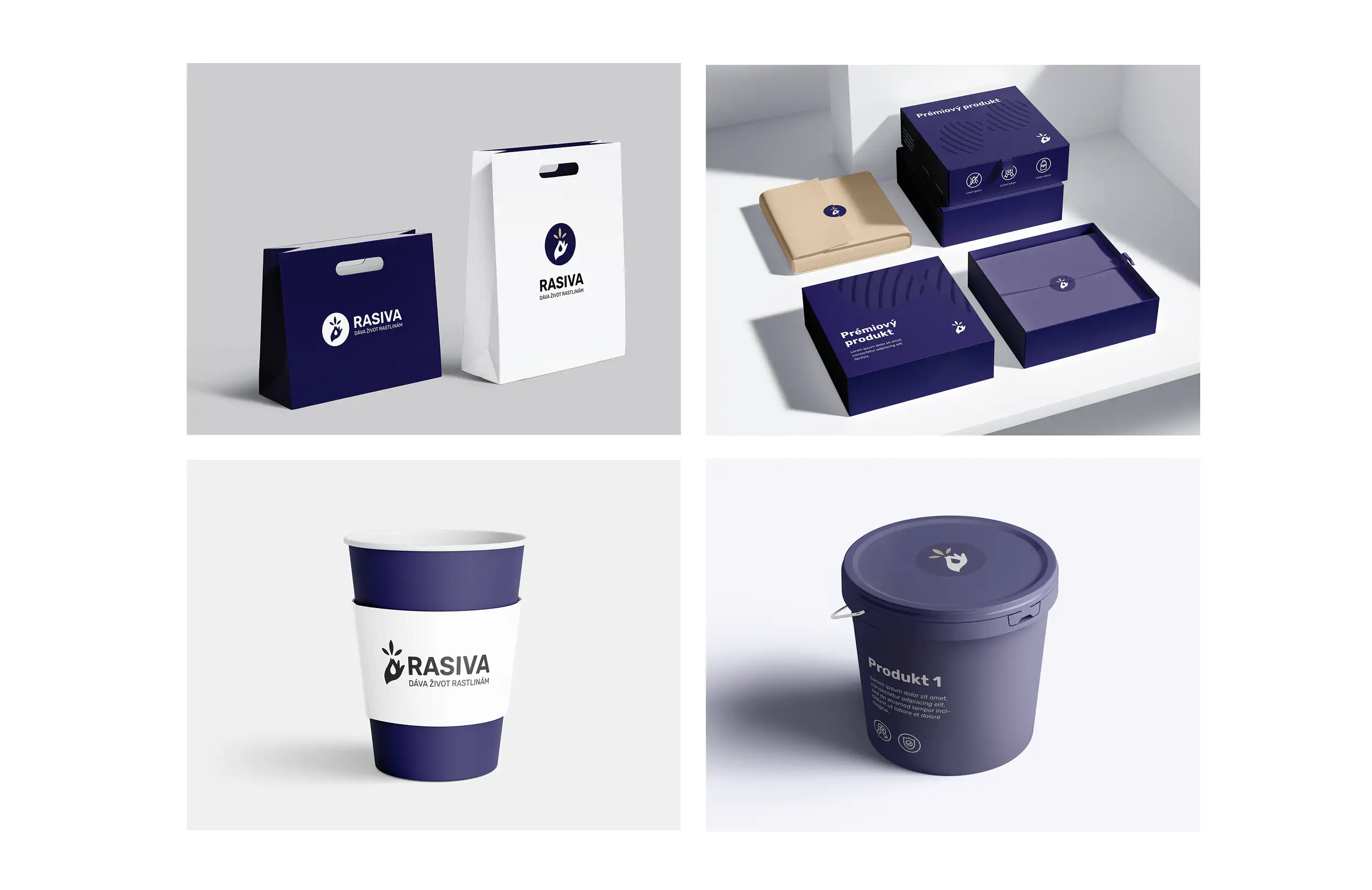RASIVA
](https://opulon.org/work/rasiva)
```json
{"@context":"https://schema.org","@type":"Organization","name":"Opulon","description":"Opulon is a creative studio crafting digital experiences with intention, clarity, and quiet confidence.","url":"https://opulon.org","logo":"https://opulon.org/images/favicon.webp","email":"info@opulon.org","telephone":"+421905718489"}
{"@context":"https://schema.org","@type":"WebPage","name":"Graphic Design Services for Print, Digital & Presentations | Opulon","description":"Graphic design services for print and digital: logos, brochures, packaging, presentations, ad creative. Slovakia-based studio, fixed scope, fixed price.","url":"https://opulon.org/services/graphic-design/","publisher":{"@type":"Organization","name":"Opulon","url":"https://opulon.org"}}
{"@context":"https://schema.org","@type":"Service","name":"Graphic Design","serviceType":"Graphic Design","description":"Graphic design services for print and digital: logos, brochures, packaging, presentations, ad creative. Slovakia-based studio, fixed scope, fixed price.","url":"https://opulon.org/services/graphic-design/","inLanguage":"en","areaServed":["Slovakia","European Union","Worldwide"],"provider":{"@type":"Organization","name":"Opulon","url":"https://opulon.org"}}
{"@context":"https://schema.org","@type":"FAQPage","mainEntity":[{"@type":"Question","name":"What are the services of a graphic designer?","acceptedAnswer":{"@type":"Answer","text":"A graphic designer produces the visual assets a business communicates with: logo and visual identity design, brochures and print collateral, packaging, presentations, social media graphics, ad creative, and infographics. Some designers specialize in one of these; a studio covers the set, so the assets stay consistent with each other."}},{"@type":"Question","name":"What are 7 types of graphic design?","acceptedAnswer":{"@type":"Answer","text":"The seven types most commonly cited are visual identity design (logos and brand systems), marketing and advertising design, publication design, packaging design, motion graphics, environmental design (signage and spaces), and web or UI design. Real projects usually combine several: a product launch can need packaging, ad creative, and a landing page at once."}},{"@type":"Question","name":"What is the 80/20 rule in graphic design?","acceptedAnswer":{"@type":"Answer","text":"Applied to design, the 80/20 rule says a small share of elements, usually the headline, the lead image, and the primary color, does most of a design's work. In practice it means building a clear hierarchy: decide what the viewer must see first, make that unmissable, and quiet everything else. Designs fail more often from equal emphasis everywhere than from any single bad choice."}},{"@type":"Question","name":"How much do graphic design services cost?","acceptedAnswer":{"@type":"Answer","text":"Price follows scope: how many deliverables, how many formats, and whether a visual identity already exists or has to be created first. A single asset such as a brochure or a sales deck is days of work; a full asset system around a rebrand is weeks. We quote fixed deliverables at a fixed price before work starts, so the number is known upfront."}},{"@type":"Question","name":"How long does a typical graphic design project take?","acceptedAnswer":{"@type":"Answer","text":"A single asset such as a deck, a brochure, or an ad set usually runs a few days to two weeks including revisions. Packaging and rebrand rollouts across dozens of assets take several weeks. Print adds lead time for proofing and the run itself, so give us the drop-dead date and we plan backwards from it."}},{"@type":"Question","name":"Do we own the final designs and get the source files?","acceptedAnswer":{"@type":"Answer","text":"Yes. Every project ends with production-ready files and the editable source files, and usage rights belong to you: no per-use licensing, no files held hostage. If your in-house team wants to adapt an asset next quarter, they can."}}]}
{"@context":"https://schema.org","@type":"BreadcrumbList","itemListElement":[{"@type":"ListItem","position":1,"name":"Home","item":"https://opulon.org/"},{"@type":"ListItem","position":2,"name":"Services","item":"https://opulon.org/services/"},{"@type":"ListItem","position":3,"name":"Graphic Design","item":"https://opulon.org/services/graphic-design/"}]}
```