

Short answer: an AI logo generator costs $20 to $90, a design contest or marketplace freelancer $250 to $2,500, an independent studio identity runs a few thousand, and most agency branding projects land between $10,000 and $50,000. The spread is that wide because "branding" covers three different products: a logo file, a visual identity system, and the strategy underneath both.
One widely read pricing guide says a small business can get a logo and identity package for around $250 (Tenet, 2025). Another puts a logo alone at $1,000 minimum and a proper identity at $15,000 and up (Metabrand, 2026). Both were written by agencies, both rank on page one for this question, and they disagree by a factor of sixty. Nearly everything published about branding prices is written by someone selling branding, and each guide quotes the range its own business model serves.
That does not make the question unanswerable. It means the useful answer has two parts: what the market actually charges in 2026, and why one word covers invoices from $30 to $300,000.
Why branding quotes are a hundred times apart
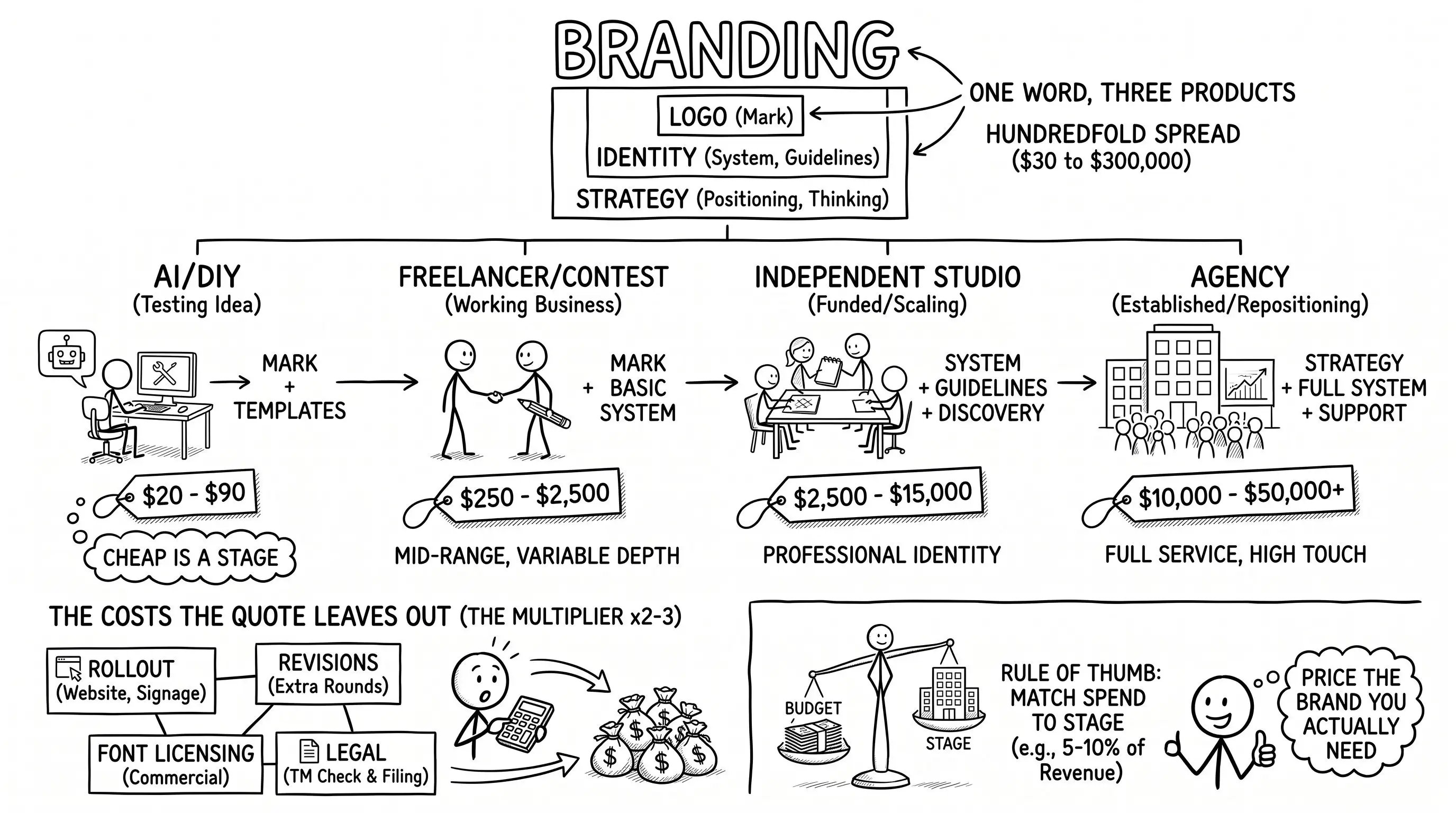
Three different products hide under the word “branding”, and a quote only makes sense once you know which one it prices.
- A logo: a single mark. The smallest deliverable in the set, and the only one the cheap end of the market sells.
- A brand identity: the system around the mark: logo variants, color palette, typography, imagery rules, usually collected into brand guidelines your team and suppliers can follow.
- A brand strategy: the thinking underneath: positioning, audience, naming, messaging, tone of voice. This is where senior time goes, and it is invisible in the final files.
A quote for the first and a quote for all three are both called “branding”, and that is most of the hundredfold spread. The rest is who does the work, because an AI template, a marketplace freelancer, and a strategy-led studio price the same word from different planets.
What branding costs in 2026, by route
| Route | Published price (2026) | What you actually get |
|---|---|---|
| AI generator or DIY tool | $20–$90 one-time; Canva Pro $144/yr | a usable mark and templates, no strategy |
| Design contest | $249–$1,050 for a logo; $599–$2,499 with identity | dozens of concepts, depth varies |
| Marketplace freelancer | logos from ~$63; identity packages $1,200–$2,500 | one designer, quality tracks the tier |
| Independent designer or studio | roughly $2,500–$15,000 | discovery, concepts, identity system, guidelines |
| Agency | most reviewed projects $10,000–$49,999 | strategy, full identity, rollout support |
The figures are published prices and platform guides as of July 2026: 99designs’ contest price list, Fiverr’s own 2026 cost guide for brand designers, and Clutch’s aggregated data. Clutch is the closest thing this market has to neutral numbers, because it aggregates reviewed projects rather than one seller’s rate card: most branding projects on it fall between $10,000 and $49,999, and US agencies there bill $100 to $149 an hour.
Above the marketplace tier, the published guides stop agreeing. Two current ones put a boutique studio at $5,000 to $20,000; a third puts the same studio at $15,000 to $75,000, with floors that barely overlap. The disagreement is less dishonesty than sampling: each agency describes the clients it sells to, then presents that slice as the market.
What the same work costs in euros
The guides dominating this question quote dollars only, and US rates travel badly. On Clutch, agencies in the UK and Poland bill $50 to $99 an hour, roughly half the US rate, and 99designs’ European storefront prices logo contests at €289 to €1,299. In Central Europe the published price lists of studios and independent designers put a professional logo at €150 to €300, hourly design work at €25 to €50, and strategy-led identity projects up to around €10,000 (published price lists, July 2026). If you are buying in the EU, an American range roughly halves before it becomes your budget.
Is $500 too much for a logo?
For a working business, no. $500 sits in the middle of what independent designers charge and is a normal market price. It is too much if it buys reworked template output, and too little if you expect research and strategy behind it. At any price, judge the quote by its deliverables: several distinct concepts, a defined number of revision rounds, vector source files, written transfer of full usage rights, and ideally a check that the mark is not already taken.
When a cheap logo is the right call
If you are validating an idea, a $30 generator logo is the rational choice, and no honest designer should talk you out of it. Before the business is proven, money spent on identity is money not spent on finding customers, and you will likely rebrand once the positioning settles anyway. Cheap is a stage, not a failure.
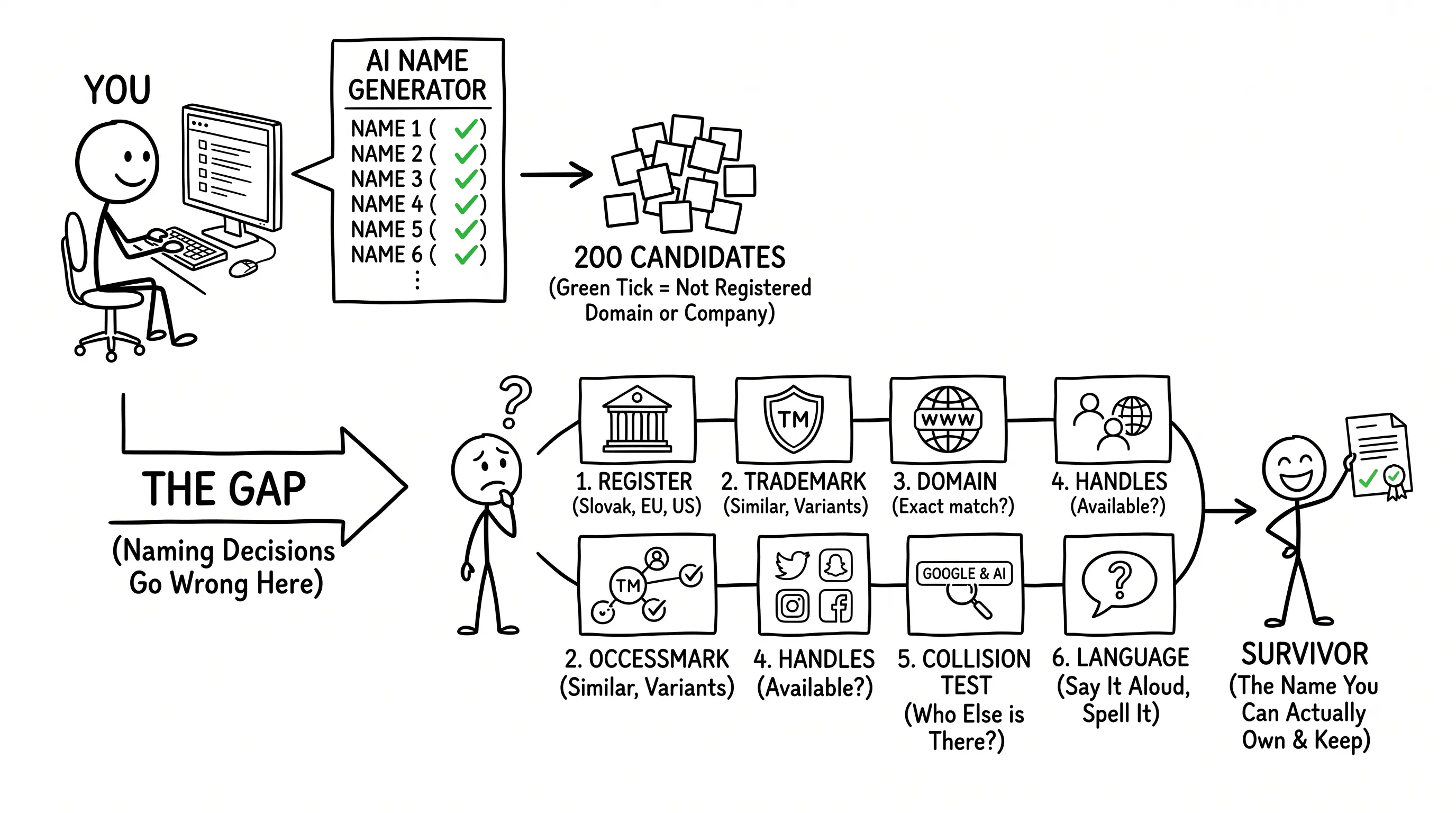
Two caveats protect you at this stage. First, run a trademark check before the name and mark go on anything expensive: a professional search runs $500 to $2,000 and a US filing $1,000 to $3,000 (Metabrand, 2026), while an EU-wide mark filed online at the EUIPO starts at €850 (official fee). A logo you cannot register is a liability wearing a nice color. Second, make sure you own what you paid for: vector source files and full rights, in writing, whatever the price.
The costs the quote leaves out
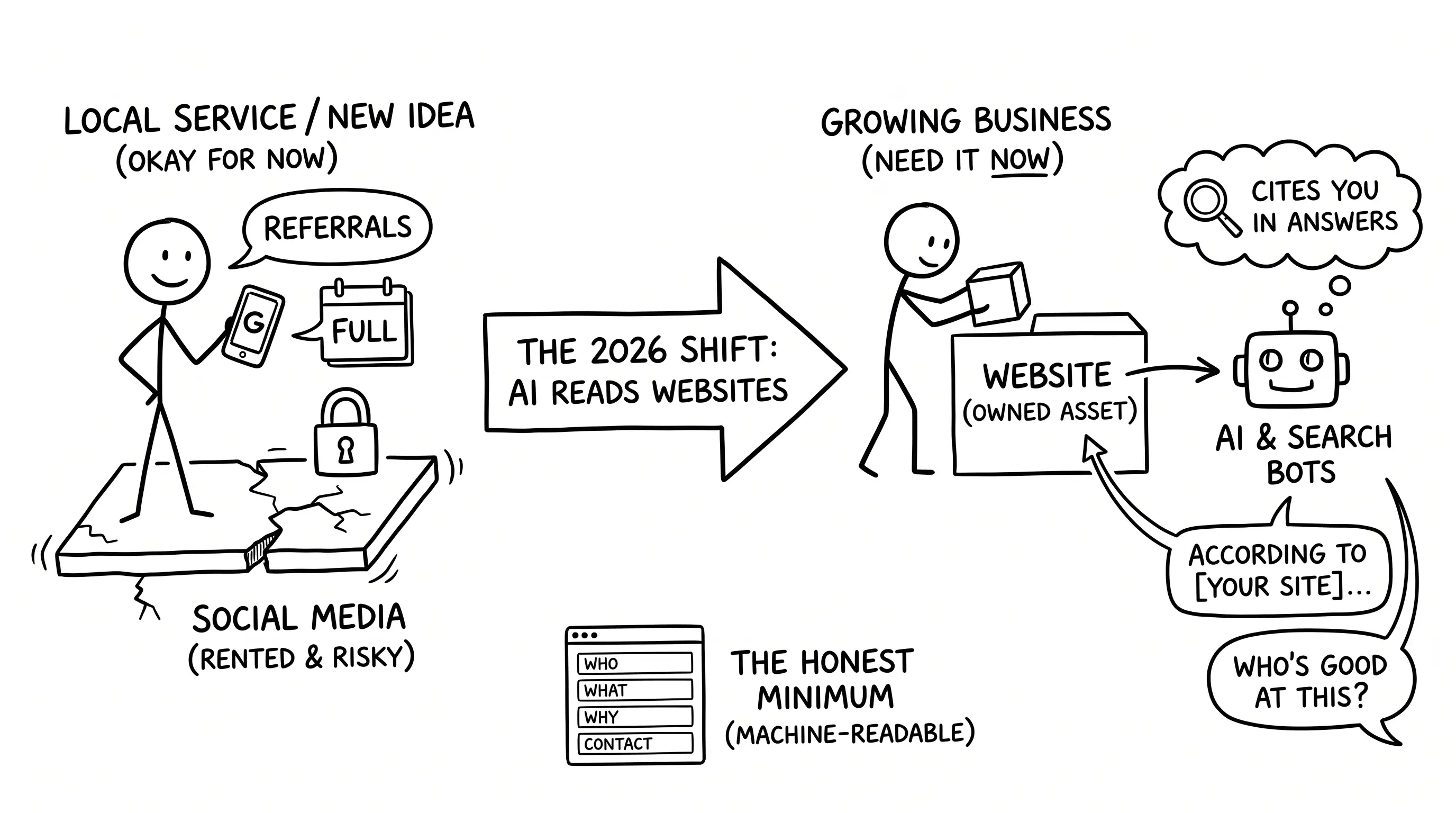
- Rollout: an identity is a folder of files until it is applied to your website, packaging, signage, and profiles. What a website costs is its own budget line, and applying the identity across materials is ongoing design work, not a one-time file handover.
- Revisions: two to three rounds is the standard cap in branding proposals; changes beyond that bill separately.
- Font licensing: the typefaces in your new identity may carry commercial licenses, from free to thousands a year depending on the foundry and usage.
- Ongoing support: branding retainers on Clutch are listed from $1,000 to $15,000 a month, which is what “keeping the brand consistent” costs once the launch excitement fades.
- The multiplier: one startup branding agency estimates the design fee at only 30 to 50% of the true total once legal work, rollout, and implementation are counted, and advises budgeting 2 to 3× the quote (Metabrand, 2026). Treat that as directional, but do not treat the design fee as the whole cost.
So what should you actually budget?
Two 2025–2026 industry guides converge on the same rule of thumb: around 5 to 10% of projected revenue for early-stage branding (DesignRush, Knapsack Creative). Rules of thumb are blunt, so match the spend to the stage instead:
- Testing an idea: under $100. A generator logo and a consistent color are enough to find out if anyone cares.
- A working business: your first professional identity, from an independent designer or small studio, in the low four figures. This is where most small businesses should land.
- A funded or scaling company: strategy plus full identity and guidelines, in the five figures, because from here every hire and campaign either compounds the brand or dilutes it.
- An established company repositioning: an agency rebrand. Apply the 2–3× rule to the quote before you sign, because the rollout will cost more than the design.
The expensive mistake is not picking a cheap logo or a dear one; it is paying identity-system money for a logo file, or logo money while expecting strategy. And if you are the one issuing quotes like these, the arithmetic behind them is in how to price your services. If you would rather price the brand your business actually needs than average other people’s rate cards, branding is one of the things we do, and you can tell us where your business is heading.
What we charge
An article this long about other people’s prices should end with ours. These are starting prices in euros, excluding VAT; we price as a Central European studio, so the numbers sit where the euro section above says they should. Where a branding project lands inside its range depends on which of the three products it really is: a mark, an identity system, or the strategy underneath. The rollout group is there because of the costs the quote leaves out: an identity starts earning only once it reaches your website, your content, and your channels.
Brand & identity
The rollout
Starting prices in euros, excluding VAT. The final quote follows the scope we agree on, and the scope is written down before you sign anything.